
Incredible Edibles: Finding Urban Food Forests Around the World
Incredible Edibles: Finding Urban Food Forests Around the World
Do you know where your nearest food forest is? Often you will stumble upon an unexpected group of edibles while walking or biking through your favorite city. More and more communities are integrating permanent edible plants into greenspace for everyone's enjoyment.
Find yourself strolling through vibrant greenery, the air filled with the scent of ripening fruits, the ground beneath your feet carpeted in a tapestry of leaves. Food forests are a captivating blend of nature and nourishment, providing families with an opportunity to connect with the earth and harvest the abundance it offers.
If you love to explore new places here are some examples of urban food forests around the world that are worth checking out if you live or travel in the area. Read on, and you will discover how to find food forests tucked away in your corner of the world. You might be surprised at all the places you can find something fresh and delicious growing naturally.
Location: Seattle, Washington, USA
Details: Beacon Food Forest is a community-driven project that brings volunteers together to nurture a public space into a thriving edible landscape. It features a diverse range of fruit and nut trees, berry bushes, and herbs. The food forest aims to provide sustainable, locally-grown produce to the surrounding community. Founded on an open harvest policy that balances care for the Earth and care for humans, they have more than 100 types of edible plants growing in harmony.

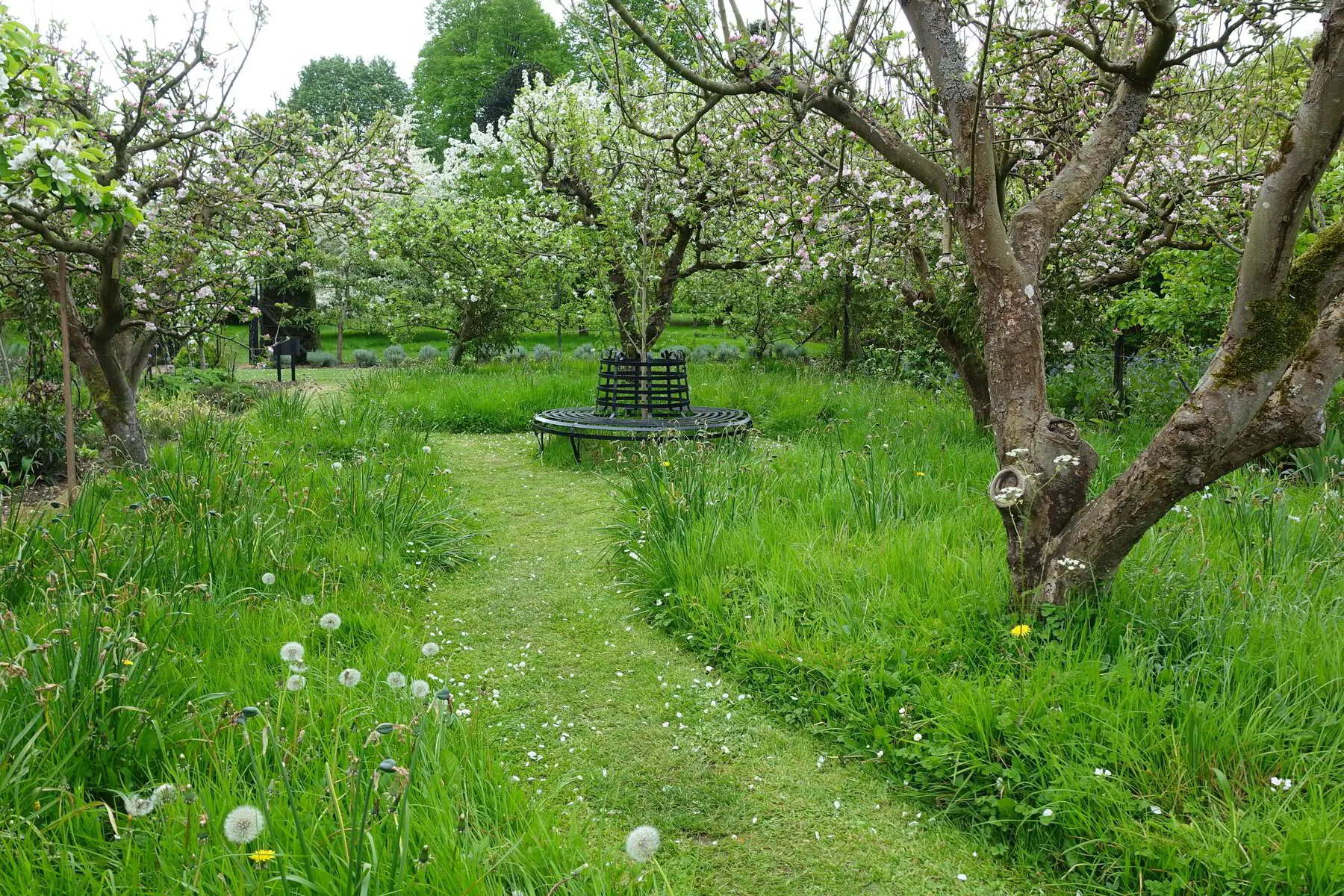
Location: United Kingdom
Details: The London Orchard Project expanded into more than 420 community orchards across the UK with the goal of transforming urban spaces into fruitful landscapes. From blossoming apple and pear trees in Glasgow to a diverse orchard including olive and fig in London, these orchards showcase how cities can be edible and aromatic paradises. These projects contribute to urban biodiversity and offer people a way to feed their families and engage with nature.
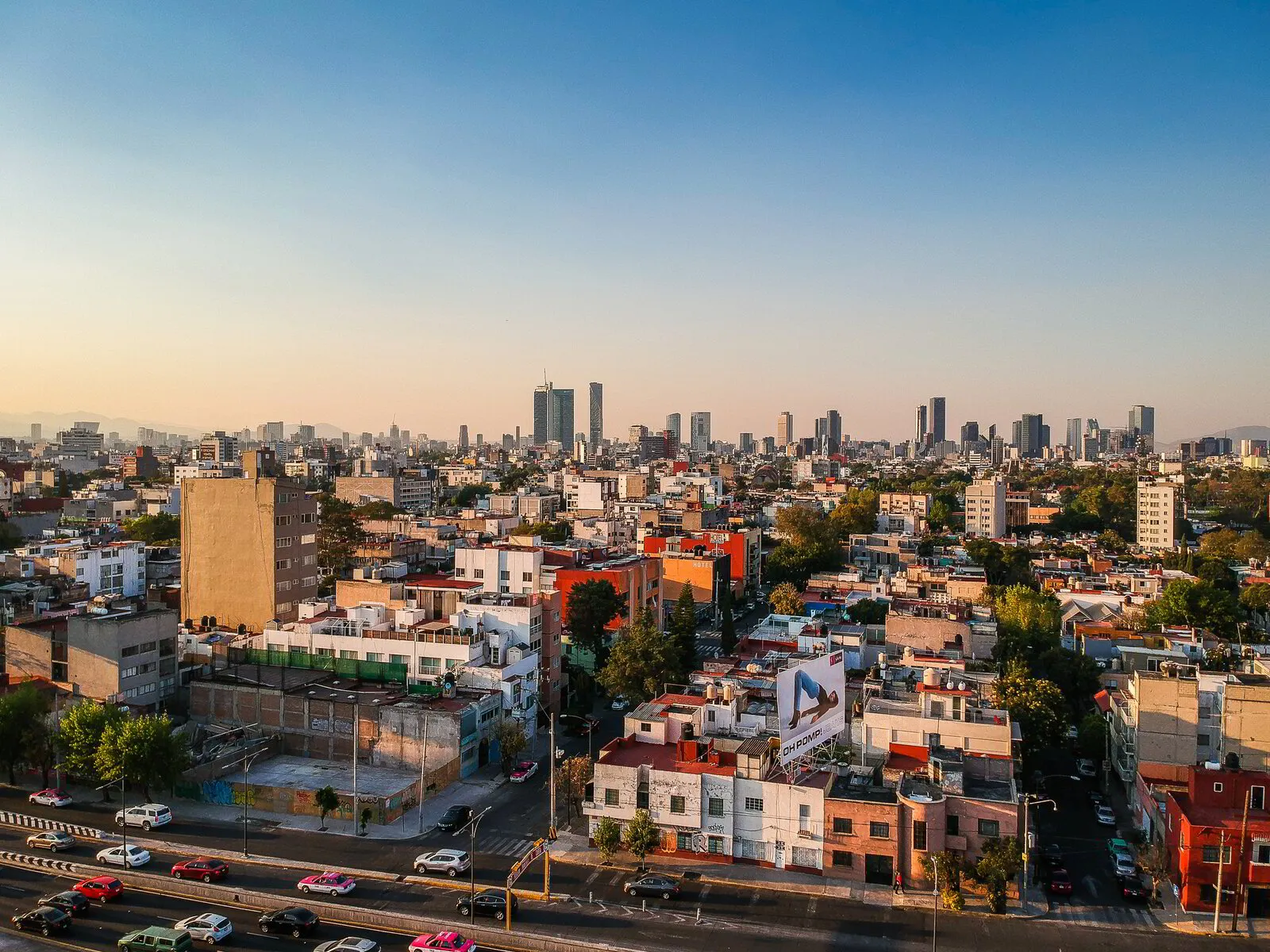
Location: Mexico City, Mexico
Details: Dedicated to regenerative programs and cultivating the rich biodiversity of the valley Huerto Roma Verde, is an amazing example of urban permaculture. This urban food forest invites families to embark on a journey of exploration and education, where the entire spectrum of nature's bounty is on display. With educational programs, tours, and a market every Wednesday, abundance abounds.
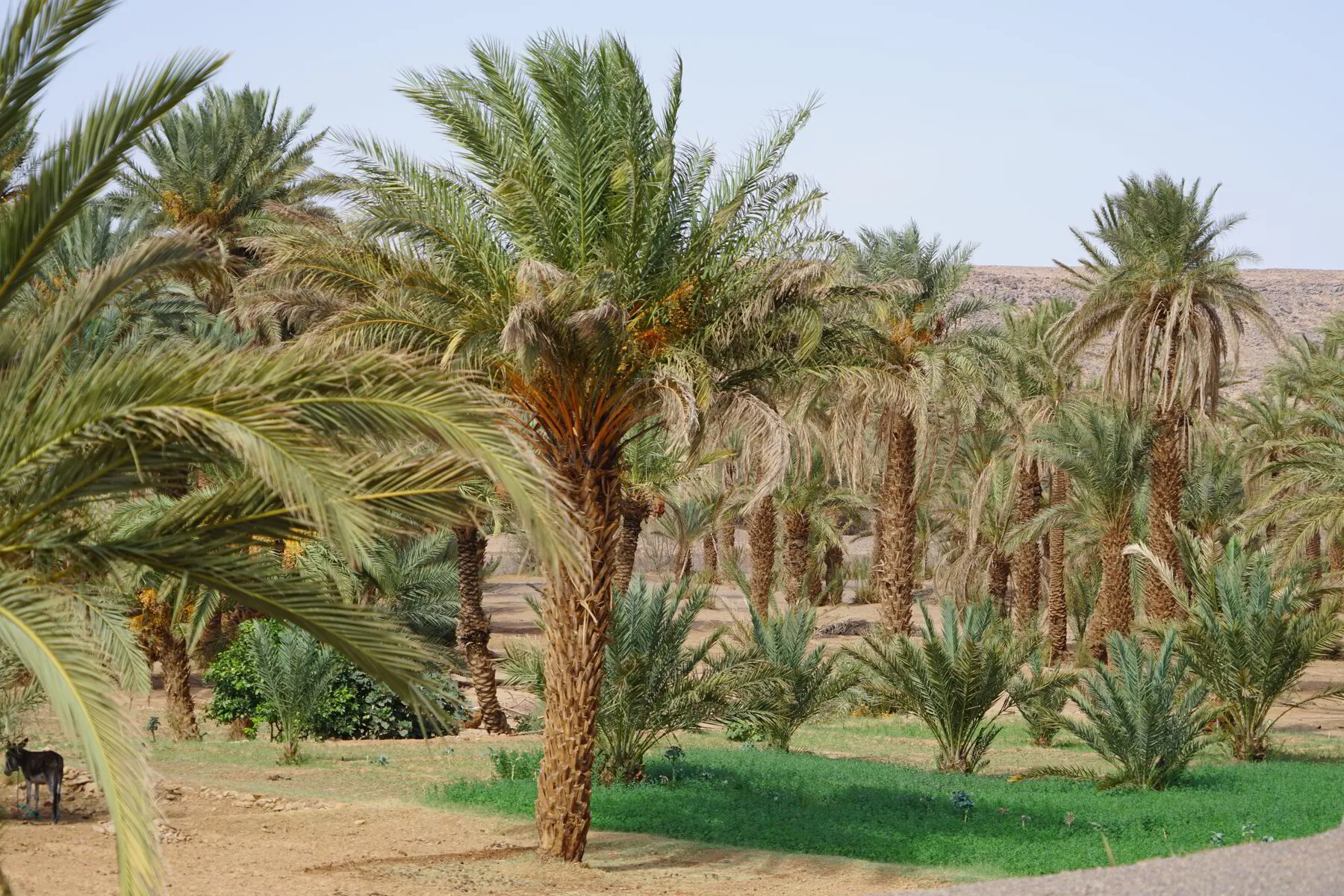
Location: Inraren, Morocco
Details: Okay, this one is not quite urban. However, in the cradle of civilization, this food forest might be the oldest in the world and highlights the long-term viability of growing in this way. In the ancient High Atlas Mountains, Morocco's agricultural practices have long involved the cultivation of a diverse array of fruits and herbs, shaping the culinary and cultural identity of the region. Located near the village of Inraren is a thriving food forest that contains date palms, bananas, tamarinds, citrus fruits, figs, grapes, nuts and many other fruits and edible plants. Locals have harvested from and continued to maintain the food forest for many generations, and it is estimated to be thousands of years old.
5. The Sanctuary Mahi Whenua
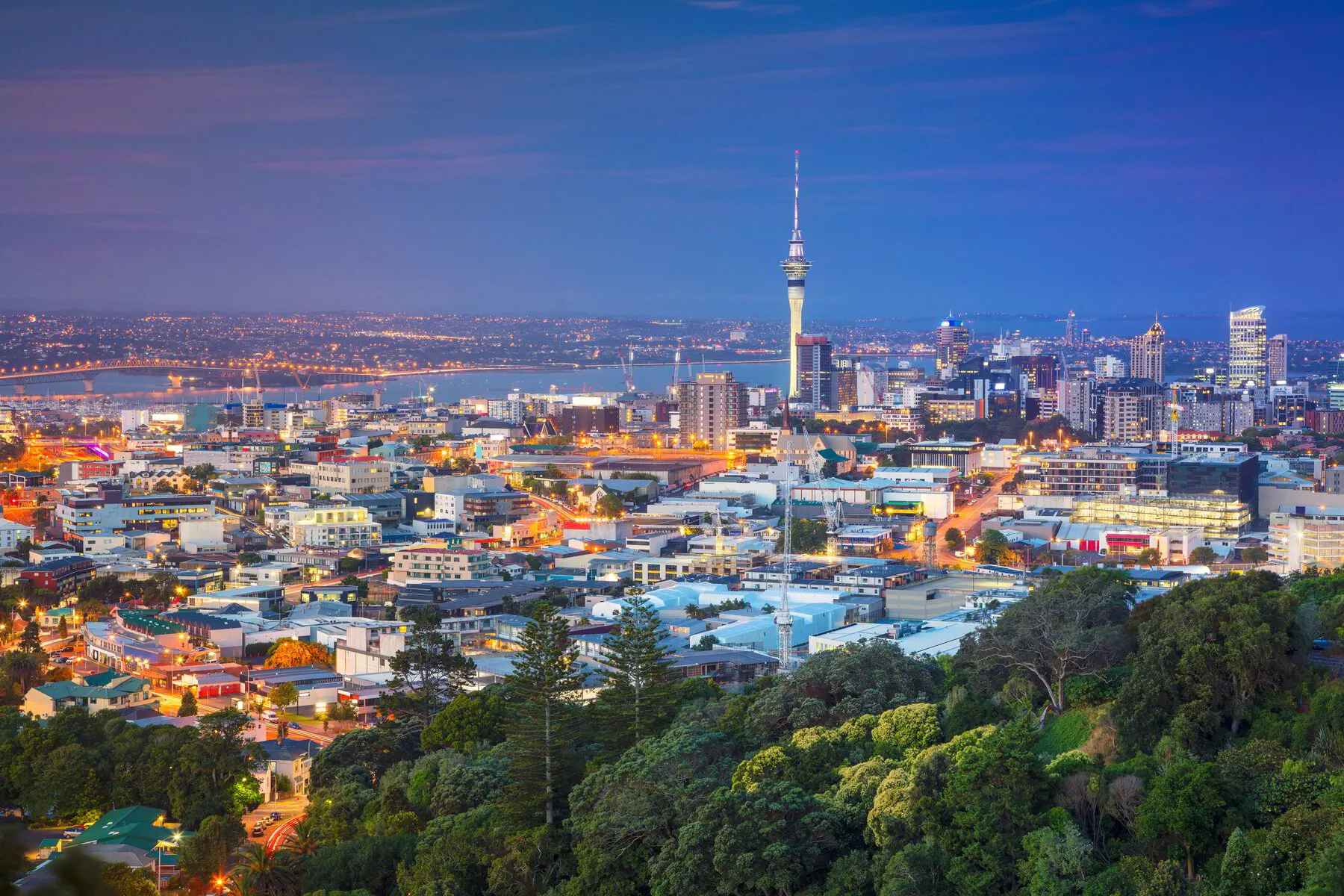
Location: Auckland, New Zealand
Details: In the lush growing conditions and rich soil, more than 400 edible plants feed local families and communities. Inspired by traditional Māori practices of nurturing the land, the Sanctuary Mahi Whenua has a food forest with an abundance of fruit trees. While land developers have threatened the forest in recent years, supporters are hopeful the Scantuary will be protected, preserved, and carried forward for future generations.
Tips for Finding and Visiting Food Forests Near You:
1. Local Community Resources: Connect with local gardening clubs, environmental organizations, or municipal websites to discover hidden food forests in your area. There are starting to be more apps like Olio that are food-sharing apps designed to reduce waste. Other options are free local sites and community centers. With a little looking, it can be quite easy to find someone with a food forest, with an abundance of produce to share.
2. Interactive maps and Websites: Explore sites and apps that map urban foraging sites and public food forests, guiding your family to nearby edibles waiting to be enjoyed. Falling Fruits is one option that provides a map that provides details of what you can find to eat anywhere in the world.
Why Food Forests Matter:
Food forests provide a permanent supply of fruit, vegetables, protein, and herbs. Beyond the sensory delight, having lots of local permanent supplies of natural food is beneficial to human health and planetary well-being. Visiting different food forests provides a learning opportunity and a chance to try some of the freshest food possible. By exploring and discovering urban food forests, families not only nurture their connection to nature but contribute to the broader movement towards a healthier, more sustainable and abundant life.
If you have a food forest you would like us to add to this article, please get in touch.
"Love is the capacity to take care, to protect, to nourish."”
– Thich Nhat Hanh
Welcome!
Abundant Forest Life uses some affiliate links, which means if you decide to make a purchase we earn a commission that helps support our work, at no cost to you. All recommendations are based on our experiences and shared as part of our mission to have more families enjoy nature, abundance, and free time
Get all the news and fun straight to your inbox!
Follow Us


© 2025 Abundant Forest Life. All rights reserved.