
3 Ways a Food Forest is Different Than a Garden
3 Ways a Food Forest is Different Than a Garden
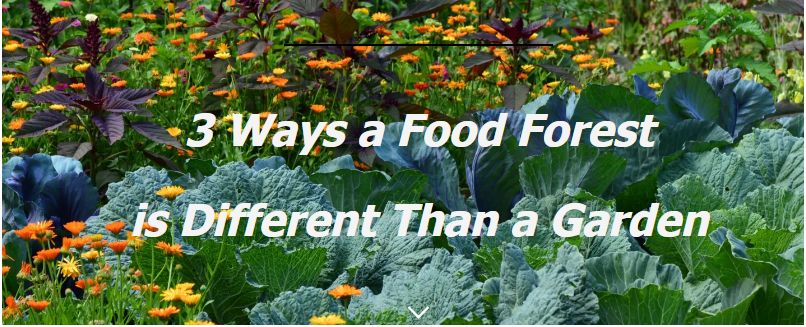
In every family, having a healthy food source helps everyone be nurtured, grow, and connect with nature. Whether you have no time to think about a garden or are just starting your food-growing journey, a food forest takes away the work and uncertainty. Imagine a space where your family can grow your favorite fruits, vegetables, protein, and herbs.; as well as explore, play, and experience the natural world.
A garden is a great way to grow a wide variety of food in a controlled and cultivated way. There are many types of gardens that are sure to bring an abundance of food. Typically, gardening requires planting and tilling the soil yearly, along with ongoing weeding and watering, to ensure a healthy crop.
Forests grow in a self-sustaining way, where all plants benefit each other. There is little to no human involvement in a food forest. You can just walk into a forest and find food or watch the wildlife find food. Berries, vegetables, nuts, seeds, and medicinal herbs grow in the wild together.
All forests have food in them, but not everyone is up for foraging through unknown wilds to find some snacks. You can also replicate the way a forest grows sustainable food year after year by growing your own permanent food supply. Then, you can be strategic with your forest and focus on the plants, trees, and shrubs that will grow stuff your family loves to eat.
Growing food the way the forest does, lets nature do the work for you. Creating a food forest is not just a fancy name for a garden. There are several differences that make food forests easier and more sustainable for families.
1. It’s Permanent
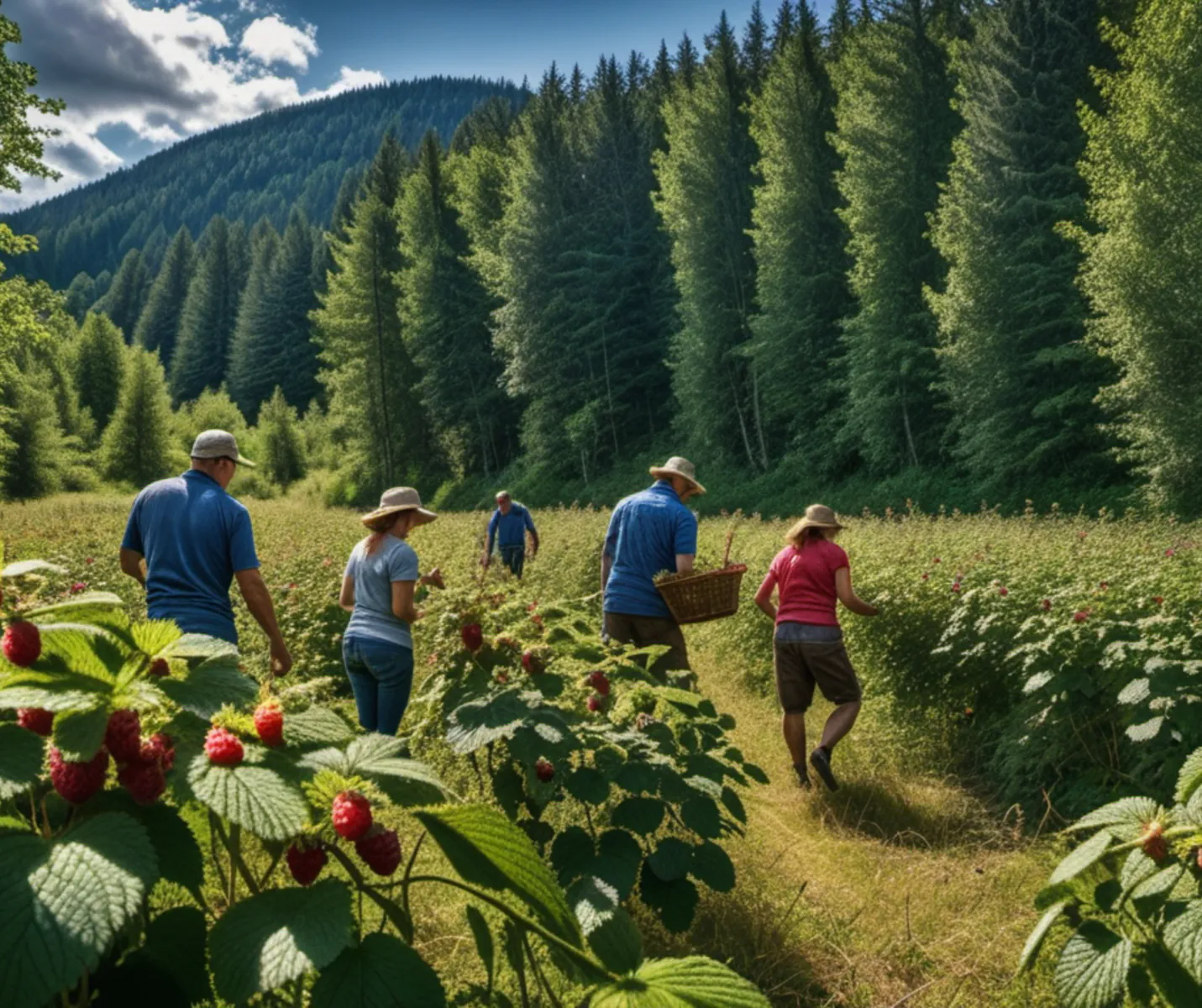
The most striking difference between a food forest and a garden is the amount of on-going labor required. A food forest is planted once and grows for years to come, increasing the harvest as the plants get bigger. Having the security of a stable, regular supply of food is an incredible feeling. The fresh taste and the health benefits are also a big plus, of course. However, having the certainty that there will be food permanently available is something we need more of.
In many cities, fruit trees and edible gardens are becoming a part of the development plan to help hunger. How great is it to walk down the street, path, or along a creek and pick a fresh apple to bite into when your stomach starts rumbling?
2. It’s Low Maintenance
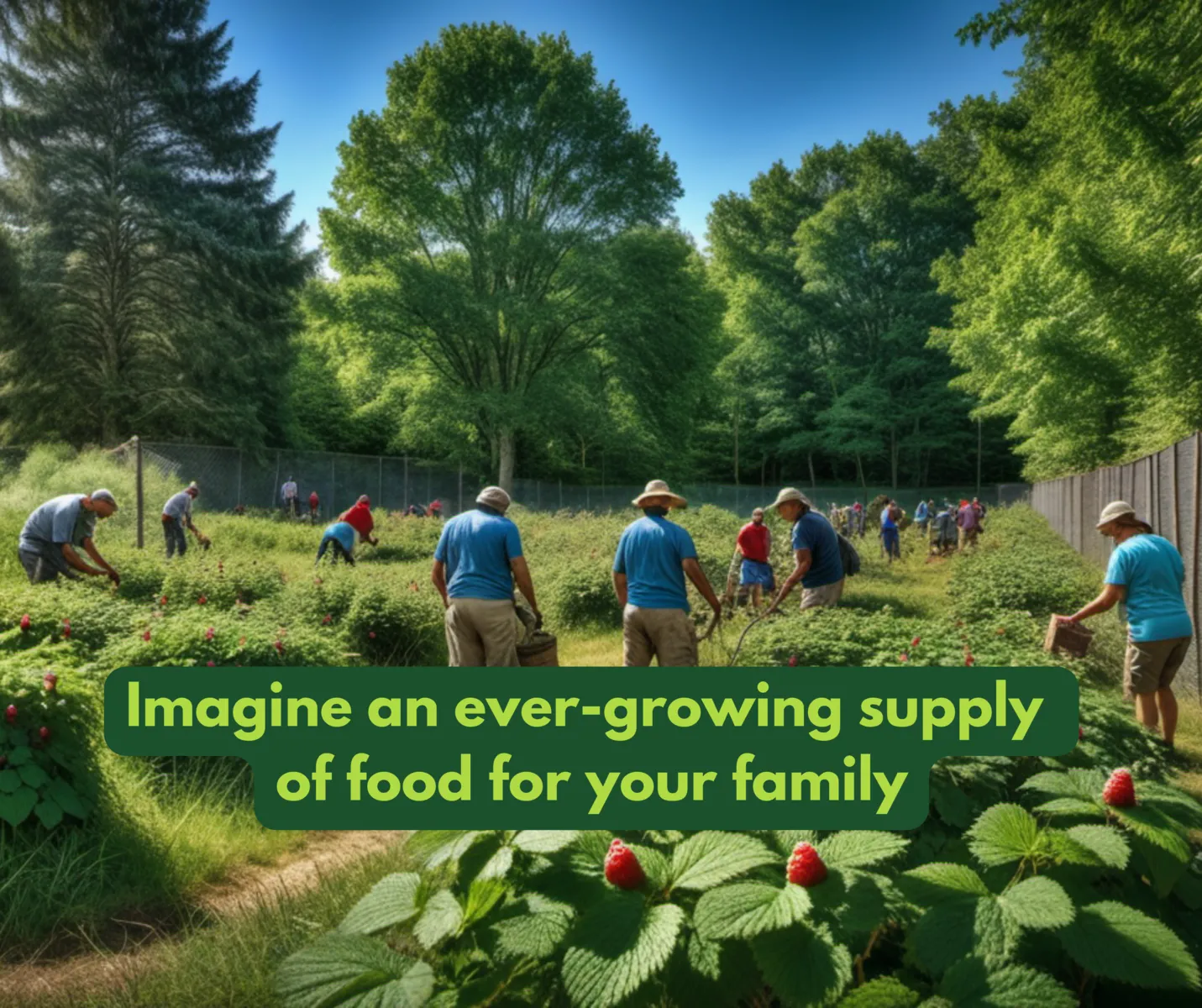
Traditional gardens often require rigorous tending, weeding, and pest control. In contrast, food forests are designed to mimic the low-maintenance elegance of natural ecosystems. Once established, they become self-sustaining and resilient. The concept is simple: plant the right combination of plants that work together, and nature takes care of the rest. This makes food forests an ideal choice for busy families.
Imagine spending your weekends enjoying your food forest rather than toiling in it. With minimal effort, you can reap a bountiful harvest year after year. Plus, with so many plants to explore, kids will have a blast discovering new tastes, shapes, and textures. It's like a scavenger hunt for the senses, where each step offers a new adventure.
3. It’s Diverse
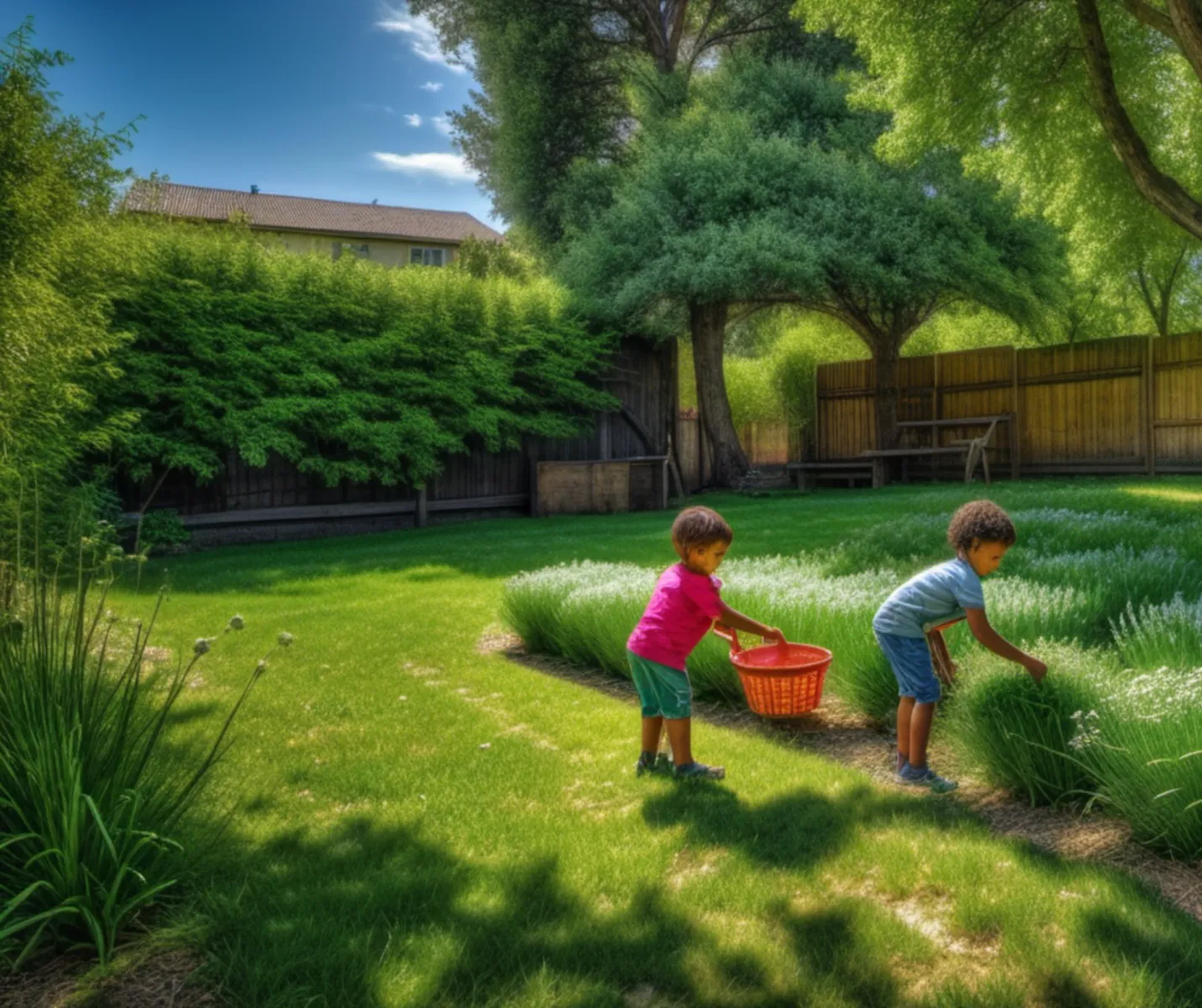
Unlike traditional gardens that often focus on a handful of crops, food forests are a rich tapestry of biodiversity. These lush landscapes host various plants, trees, and shrubs, creating a balanced ecosystem where plants, insects, and animals thrive harmoniously. For your family, it's an opportunity to learn about the intricate web of life, witness the magic of pollination, and understand the importance of coexistence.
Food forests are more than just gardens; they are vibrant community hubs. As you tend to your food forest, you'll find yourself sharing knowledge, seeds, and surplus harvests with neighbors, family, and friends. Once a food forest is established, there is often an abundance of food to share.
Watching your forest grow becomes a shared adventure, creating bonds and memories that last a lifetime. Whether it's seeing the first leaves of spring, harvesting the ripest fruit of summer, or simply watching a tree grow, these experiences build a solid and loving family connection.
With their biodiversity, low-maintenance approach, and sense of community, food forests can be a rich family experience. So, if you're seeking a fun, easy, and enriching way to feed your family and cultivate a deeper connection with the natural world and your loved ones, consider a food forest. It's a journey filled with wonder, fresh food, and shared moments that will nourish your family's body and soul.
“It appears that nutrient exchange and helping neighbors in times of need is the rule, and this leads to the conclusion that forests are superorganisms with interconnections much like ant colonies.”
— Peter Wohlleben
Welcome!
Abundant Forest Life uses some affiliate links, which means if you decide to make a purchase we earn a commission that helps support our work, at no cost to you. All recommendations are based on our experiences and shared as part of our mission to have more families enjoy nature, abundance, and free time
Get all the news and fun straight to your inbox!
Follow Us


© 2025 Abundant Forest Life. All rights reserved.