
Easy 5-step Food Forest
Easy 5-step Food Forest
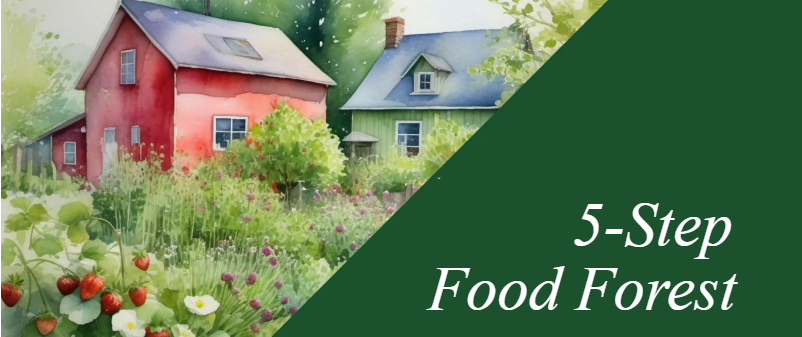
Creating a thriving food forest doesn't have to be an overwhelming task. With careful planning and a focus on perennial plants, you can establish an easy-to-maintain 5-step food forest in any sized space. This long-lasting set-up not only provides an abundant harvest but also fosters a biodiverse ecosystem. The concepts in this food forest can be adapted with plants to fit any location, space, or craving.
Nurture your family’s connection to nature and ability to provide for yourselves, and see what grows. The plants chosen for this 5-step food forest work together to create a thriving environment and provide nutrition and variety for your family.
Step 1: Lay the Foundation with Fruit Trees
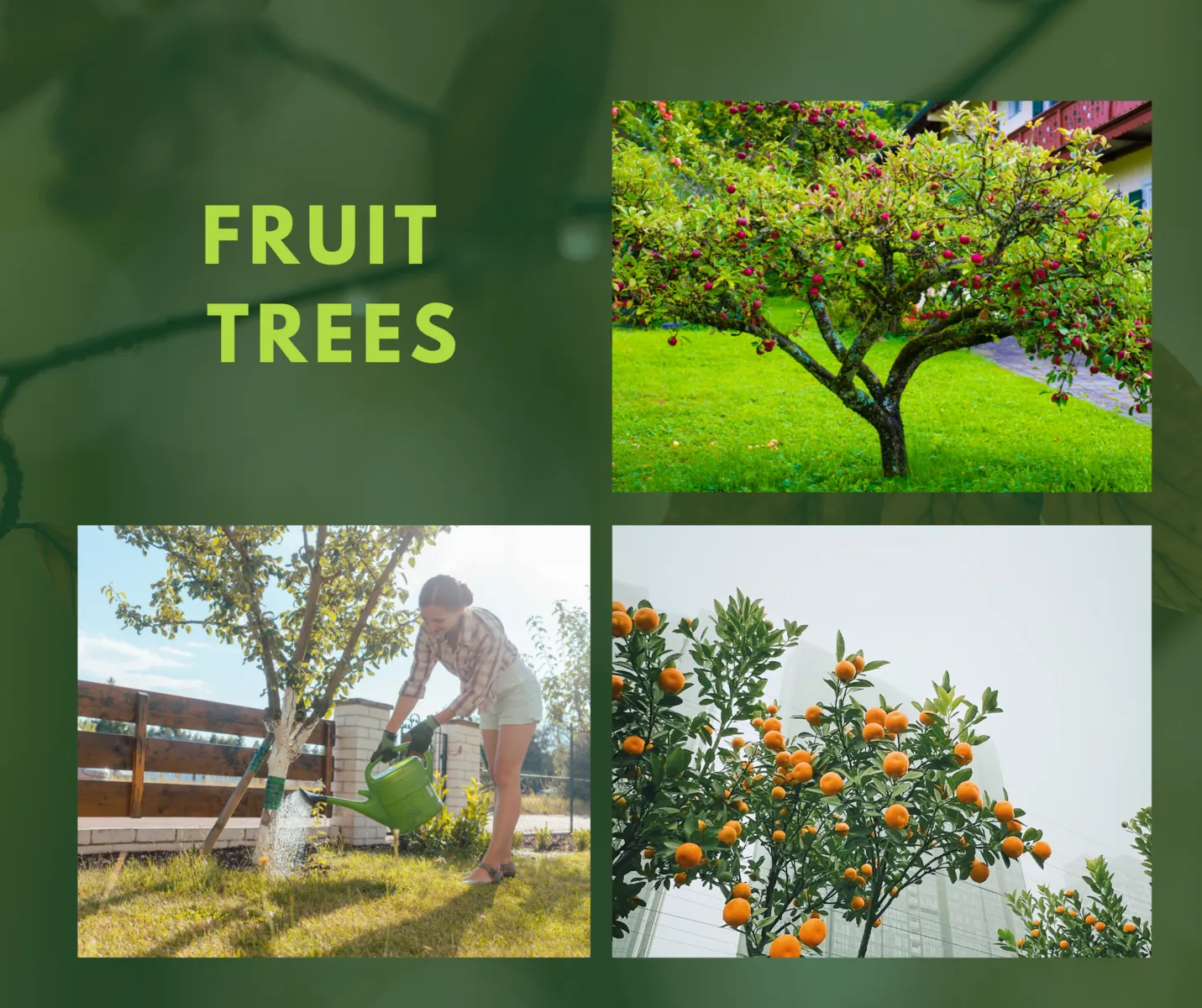
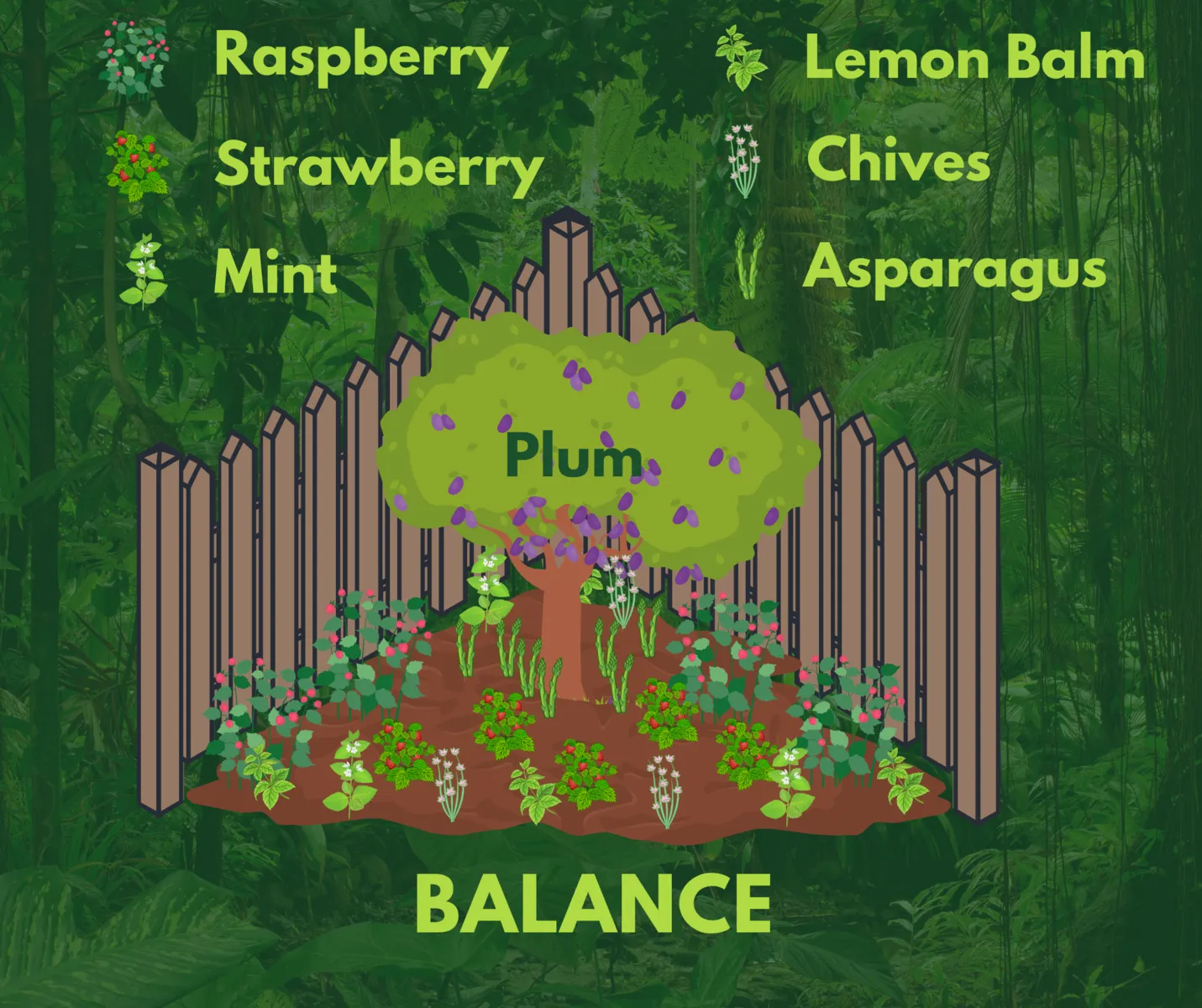
Start with the tallest part of your food forest by planting fruit trees. Plum trees are great because they are self-pollinating, meaning you only need one to grow an abundance of fruit. Their lush canopies provide shade and serve as a strong root system and water preservation for your food forest. Plums are versatile and can be enjoyed fresh, preserved for later, and baked into desserts. In a small space like a backyard, garden, or community garden plot, a plum tree fits perfectly as the foundation of your food forest.
Step 2: Embrace Raspberry Recipes
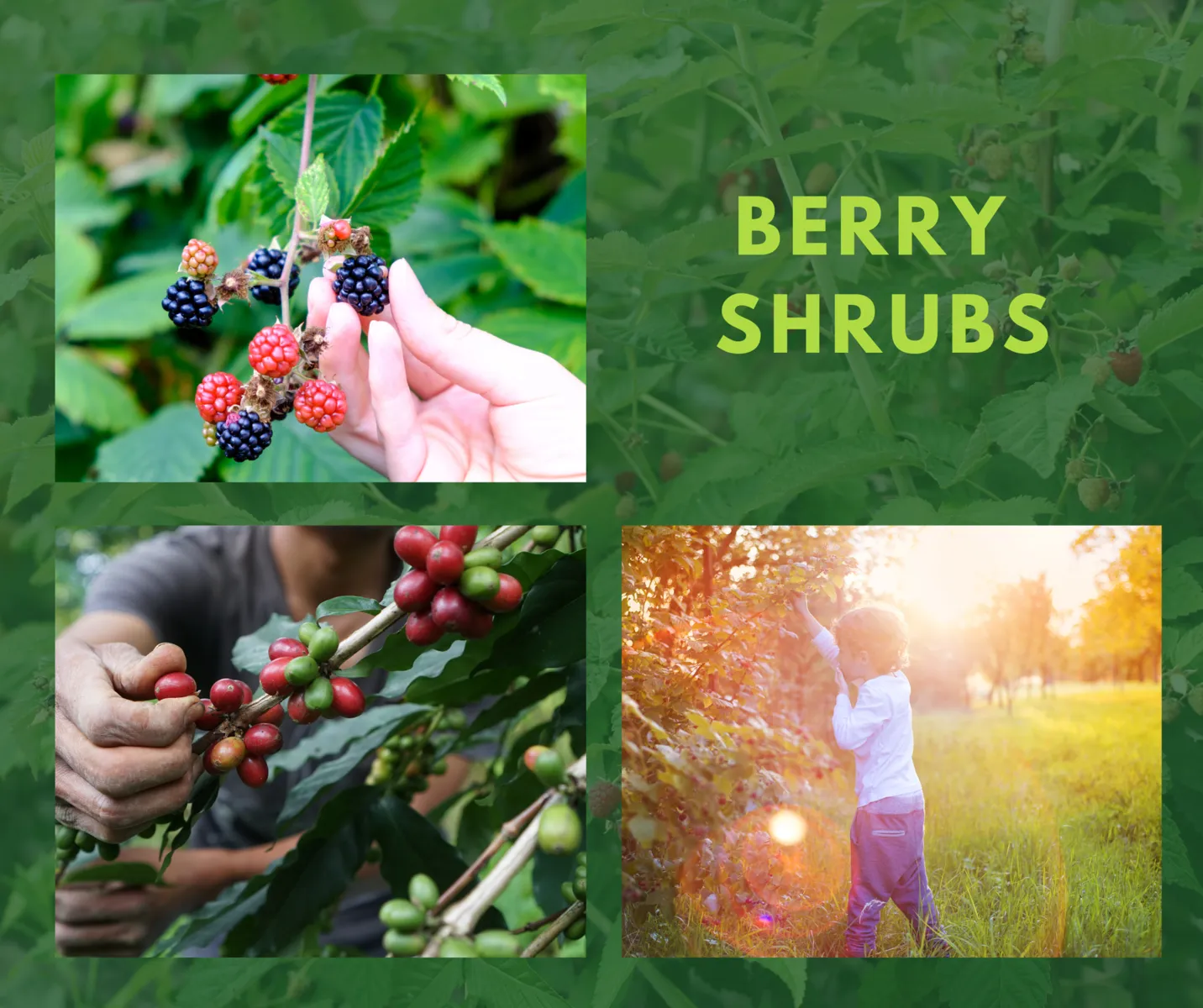
Raspberries thrive in a food forest setting. Their sweet and tangy berries flourish. A mid-height berry bush, their thorny branches discourage pests from reaching your tender fruit trees and other plants. They are also hardy plants that spread easily and can produce fruit all summer long. Enjoy raspberries picked fresh, blended into smoothies, or incorporated into breakfasts like oatmeal for bursts of flavor. Berries are easy for kids to pick their own snack and freeze well for year-round deliciousness.
Step 3: Establish Perennial Stars: Asparagus & Strawberries
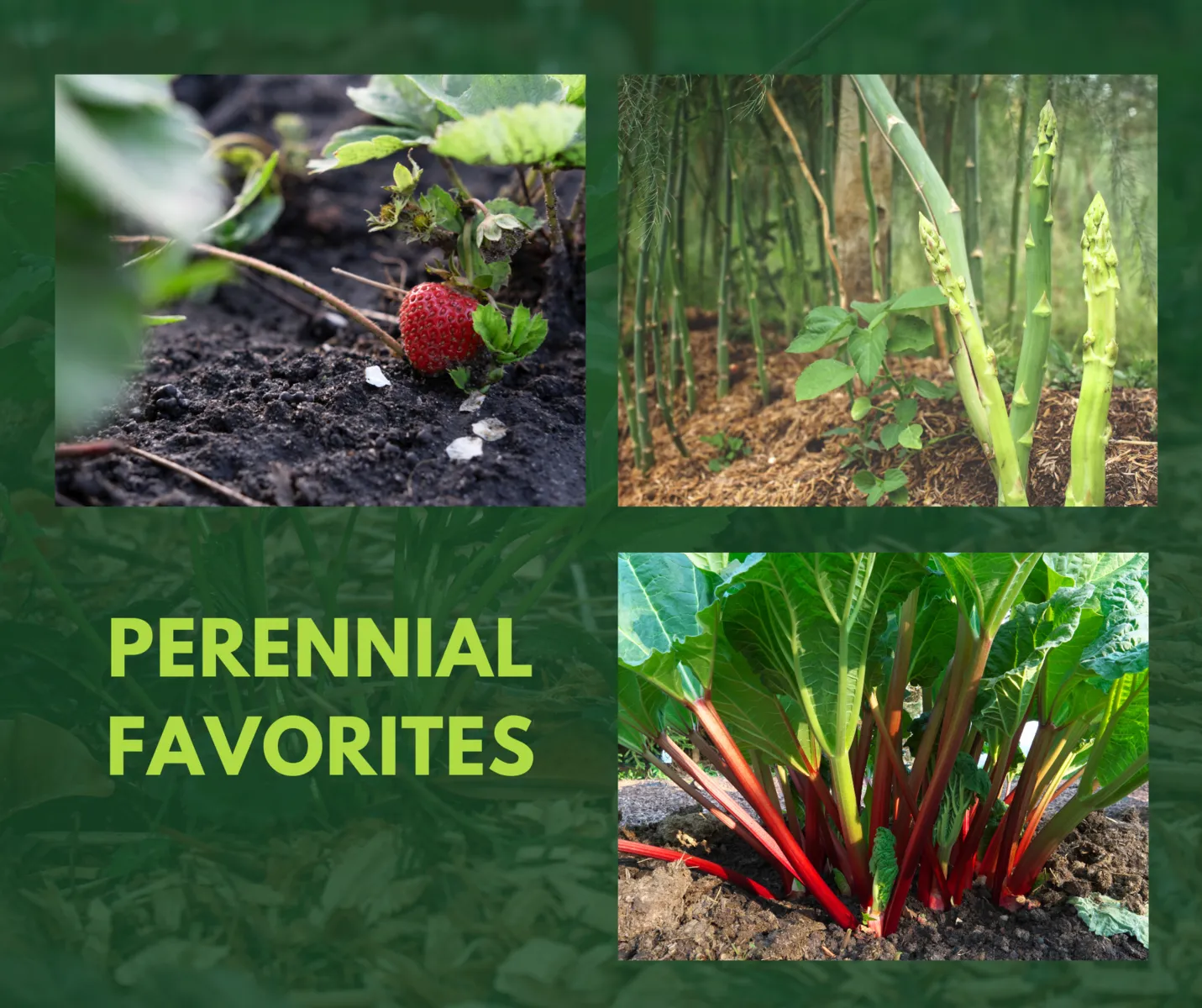
After the larger components of the forest are planted, it’s time for smaller plants. Asparagus is high in protein and very versatile. It’s a perfect accompaniment to fruit trees because it is an early-season crop. Though requiring patience, asparagus offers yearly harvests once established and can be roasted, added to pasta, or baked in quiches. It can also be eaten raw for a nutritious boost. Smaller fruit bushes like strawberries start to fill in the space and provide excellent ground cover to prevent weeds. Strawberries, a favorite for many kids, make sweet snacks and can be added to salads or classics like strawberry shortcake.
Step 4: Infuse Flavor and Repel Pests with Chives, Lemon Balm, and Mint
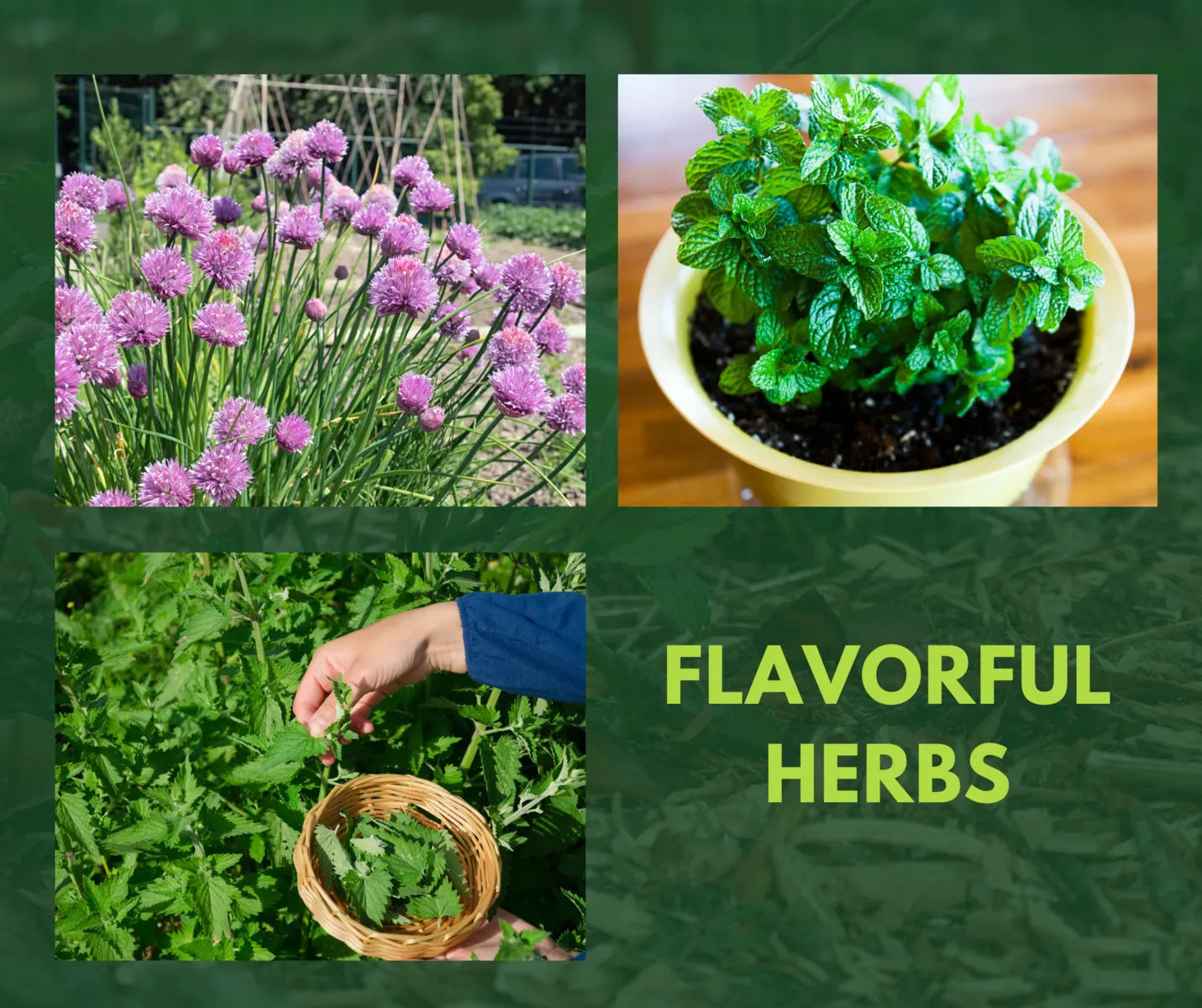
Planting fragrant herbs will help keep pests from munching on your edible forest. Chives bring mild onion flavors, ideal for garnishing dishes, while mint adds a refreshing touch to beverages or desserts. Lemon balm makes a great flavoring and a refreshing tea. All of these herbs can be dried or frozen to enjoy throughout the winter. They are also versatile and have medicinal properties to them.
Step 5: Build a Balanced Ecosystem
Once your have put together the initial elements of the food forest, regular watering is often necessary for the first season. You can also add annual vegetables like carrots or salad greens in between to maximize growing space. Or plant perennial beans or clover to add nitrogen back into the soil.
By following these simple guidelines and selecting the right plants, you'll cultivate a thriving food forest that nourishes you and your family.
A food forest is not just a collection of plants; it's a sustainable ecosystem that offers fresh produce throughout the year. By incorporating these steps and selecting the right plants, you can cultivate a thriving food forest that provides a natural landscape and fresh food for you and your family.
Permaculture growing can feel overwhelming or like there is a lot to learn. However, growing a small food forest is an excellent choice for families with kids who are always hungry. Planting strategic perennials (plants that grow for many years) allows everyone to supplement their grocery store run with food they eat right where they live.
This 5-step food forest is just one example of the diversity of options that can be grown. Families can grow fruit, veggies, protein, and herbs that grow year after year in a small plot. In a larger space like a backyard, two or more fruit trees can provide the canopy for an abundant food forest. Two mature apple trees can produce more than enough fruit for a family of four for the whole year.
“Even if I knew that tomorrow the world would go to pieces, I would still plant my apple tree.”
– unknown
Welcome!
Abundant Forest Life uses some affiliate links, which means if you decide to make a purchase we earn a commission that helps support our work, at no cost to you. All recommendations are based on our experiences and shared as part of our mission to have more families enjoy nature, abundance, and free time
Get all the news and fun straight to your inbox!
Follow Us


© 2025 Abundant Forest Life. All rights reserved.