
How to Start a Food Forest in Your Neighborhood
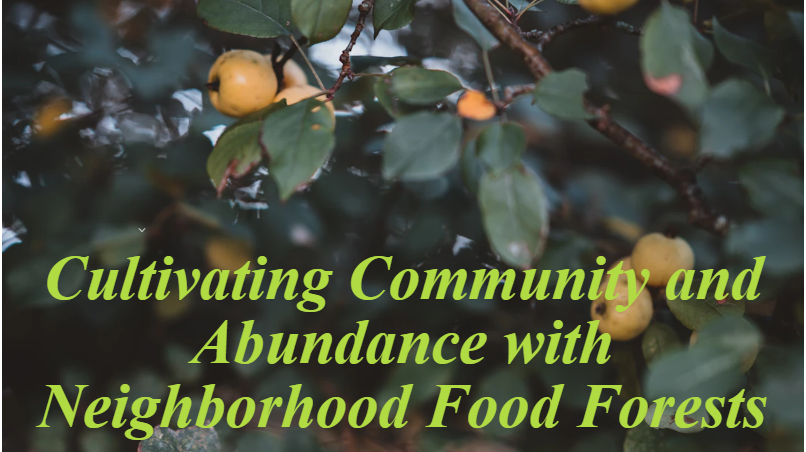
Picture this for a minute. You grow something that you and your family love alongside other compatible plants. This little food forest provides more than you can eat, so you share it with your neighbors. And they are growing more than they need of something they like, so they share as well. Throughout the neighborhood, this continues, and the abundance carries on.
Anyone can grow a food forest in a corner of their backyard and garden, and communities can plant edibles in green spaces. Community gardens have existed as long as there have been communities. Humans have a long history of cultivating an abundance of food and sharing it. One hundred years ago, most people had the ability to feed themselves, but that number has greatly decreased as fast and easy food made it no longer necessary to do it ourselves. That luxury has also reduced the quality of the food we eat and disconnected many from the natural cycles of the world share.
Prioritizing growing spaces that are community-oriented makes growing food easy again. These public spaces allow people without space, time, or knowledge to come together in nature and nurture delicious plants to feed their families. Community gardens and public growing spaces often thrive because of the hard work of dedicated volunteers.
Food forests are a less common term. Even though people are unfamiliar with food forests, the concept is as old as this Earth. Using permaculture principles that focus on growing sustainably in ways that support the ecosystem, food forests seek to simplify growing food. A forest is a community unto itself, with each tree, plant and living thing contributing to it. Forests grow themselves, so when communities create food forests, it becomes easier and more accessible to everyone.
Families Seeking Nature and Togetherness
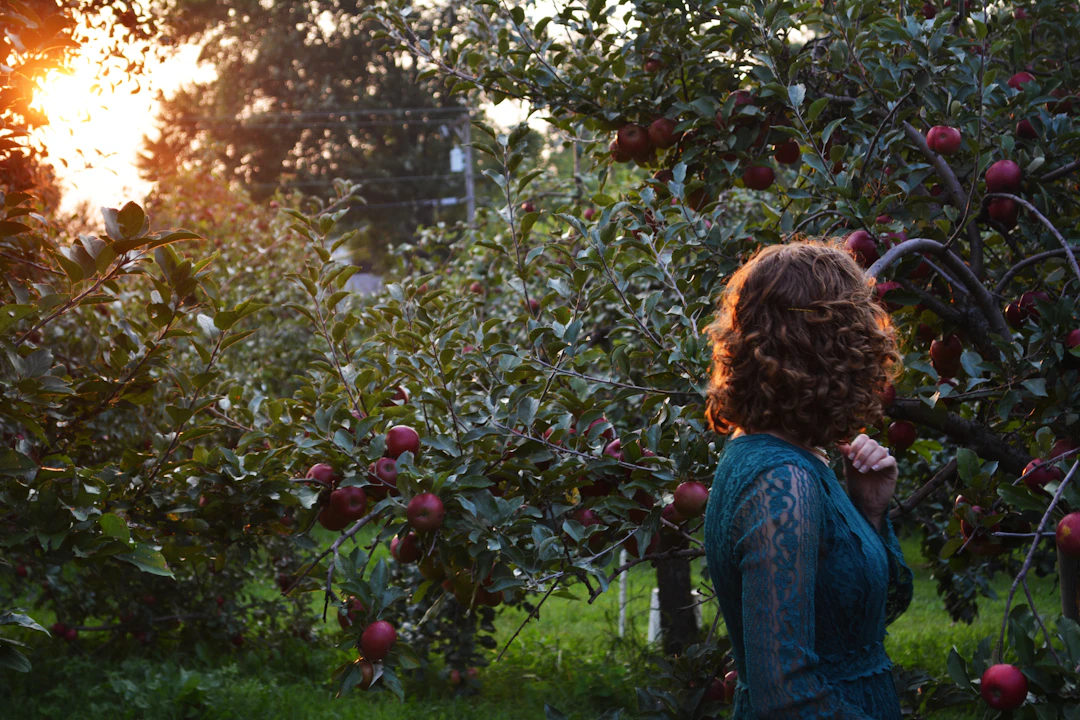
Families benefit from community food forests, gardens, and parks, especially within walking distance of their home. Being able to walk through a living, growing, food producing space and watch the process throughout the seasons provides a deep and important connection.
Beyond the obvious nutritional perks, food forests serve as invaluable educational tools, teaching children about the natural world and where their food comes from. And beyond connection time for families, time spent outdoors can significantly improve mental health and overall well-being for both children and adults.
Abundance in Action
In a community setting, food forests provide access to fresh food at a local level. From an environmental perspective, food forests are a win-win. They promote sustainable practices such as companion planting and natural pest control, which in turn contribute to local biodiversity.
By providing free, nutritious produce, food forests can help alleviate food insecurity. As forests grow, the harvest increases. And when everyone is growing something, it can lead to an abundance of deliciousness for families involved in food forest initiatives.
Cultivating Free Time
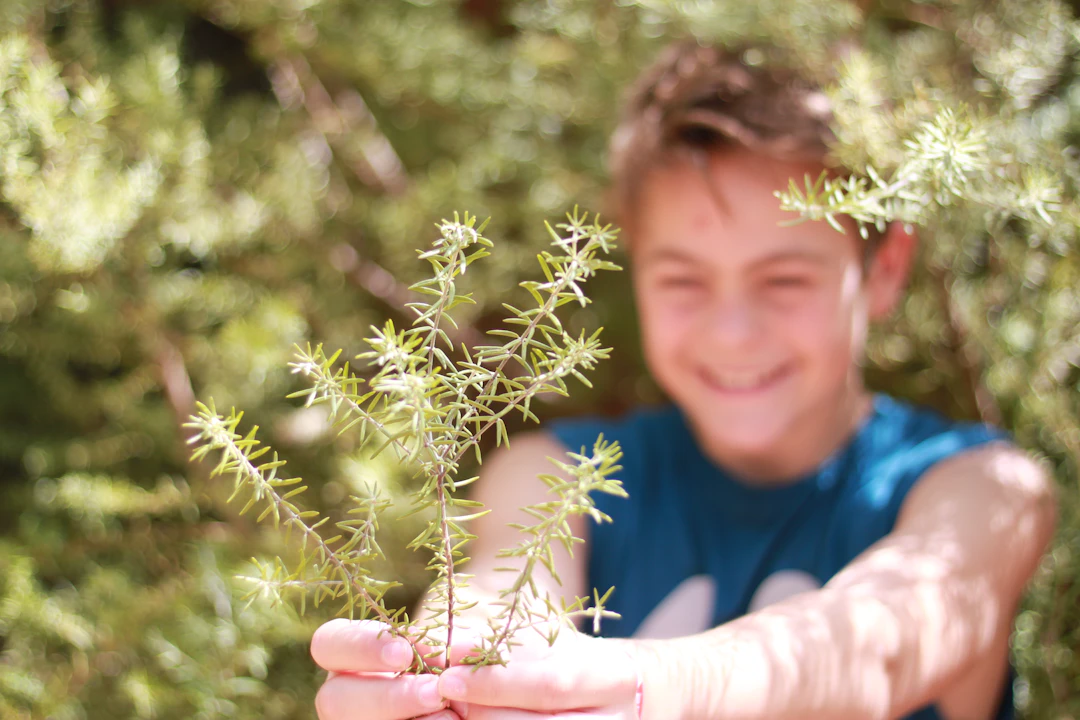
Growing and sharing food locally, creates a slow-paced community that is focused on cultivating wellness for the area. The food forest method provides a less labor-intensive way to grow food, so families can have more time to connect with nature and each other.
Shifting towards a life that values the natural world encourages a slower way of life. Families who grow food together and share it in a community often take the time to enjoy the beauty around them and have adventures.
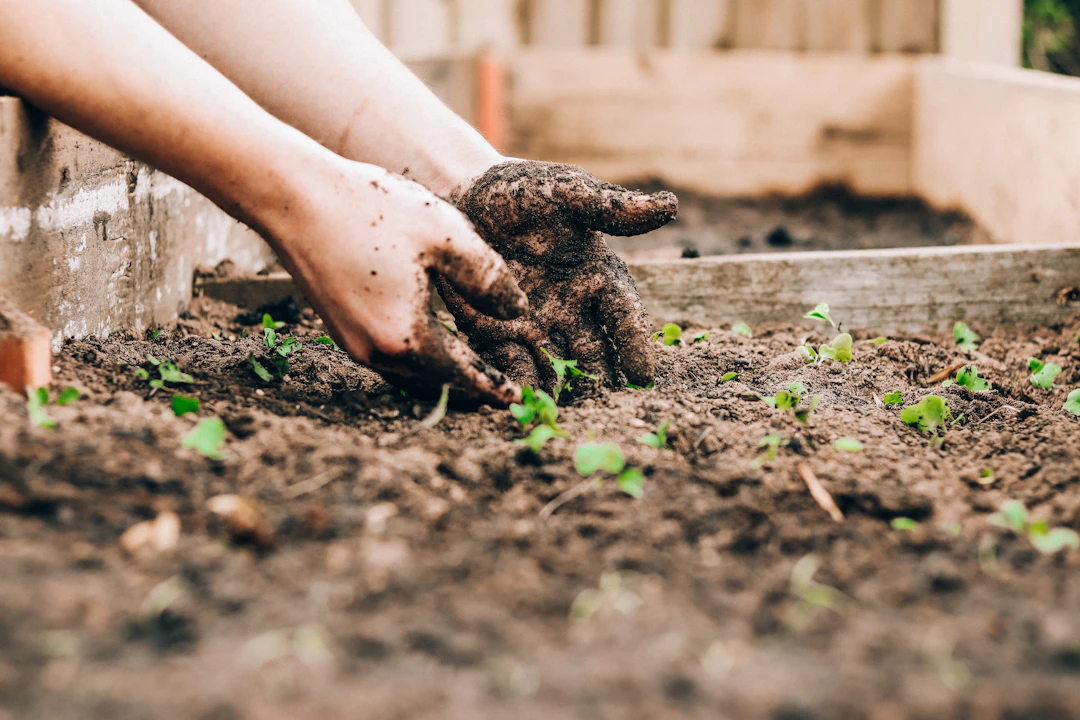
How to Start a Food Forest in Your Neighborhood
Interested in starting a food forest in your neighborhood? It's easier than you might think. Check in with your local community garden or network to find available land. If you’re not sure how to plant a food forest, this 5-step guide will walk you through the process, with examples of easy fruit, vegetables, protein, and herbs to plant. It’s a free introduction to the ease and abundance of food forests.
Land availability is a problem depending on where you live. The solution is working with community groups to plant edibles in public spaces. Community gardens are popular but sometimes lack volunteers. So, food forests cut time and maintenance requirements. Growing what is natural to the area and in a way that allows the plants to sustain each other provides a food system that will last generations. it has to start locally. Every family and community benefits from growing edible plants and food forests
“The more you share the seeds, the more you grow, the more the system grows, the more a community grows.”
– Edie Mukiibi
Welcome!
Abundant Forest Life uses some affiliate links, which means if you decide to make a purchase we earn a commission that helps support our work, at no cost to you. All recommendations are based on our experiences and shared as part of our mission to have more families enjoy nature, abundance, and free time
Get all the news and fun straight to your inbox!
Follow Us


© 2025 Abundant Forest Life. All rights reserved.